
Immigrant children are already living the current reality of the United States, and those of us who are not as directly effected need to still be discussing these horrific current events with our children.
These kids are seeing parents disappear into detention. They are living with the knowledge that they themselves might end up in a detention center, deported, or separated from loved ones. They are hearing adults whisper about raids. They are learning (far too early) that the systems meant to protect people often don’t protect families like theirs.
And when we choose not to teach our own children about the facts around immigration and deportation because it feels “too political” or “too heavy,” that choice comes from privilege.
Avoiding a topic that is actively harming millions of families does not make children safer. It simply keeps some children comfortable while others carry the weight alone.
Children are capable of learning about injustice in an age appropriate manner.
Silence Is Not Neutral
If your child is not directly impacted by immigration enforcement, that is not a reason to stay silent. It is a reason to speak out
Not teaching your child about immigration and deportation:
- Assumes harm is acceptable as long as it doesn’t affect your family.
- Treats immigrant children’s lives as “too uncomfortable” to discuss.
- Reinforces the idea that injustice is normal and unchangeable.
Children do not need legal details. They need truth.
A justice-centered explanation sounds like this:
“Some families are being hurt by unfair rules. Those rules are made by people, and people can change them.”
That message builds empathy and accountability.
Who Is It Safe to Talk About This With?
This part matters, especially for immigrant families and mixed-status households.
Children should know:
- It is safe to talk about immigration at home and with caregivers who respect their family.
- Not all adults are safe to share personal information with.
- They never need to explain their family’s story to strangers.
You can say:
“Some people don’t understand or aren’t kind about this topic. We share our thoughts with people who listen and care.”
Look for the Helpers and Teach Resistance
Social justice education does not stop at naming harm. It shows children that people are fighting back.
Help kids notice:
- Community members who protect families.
- People who speak up.
- Organizers, lawyers, and everyday people doing quiet, brave work.
You can tell them:
“Even when rules are unfair, people work together to protect each other.”
This shifts the narrative from helplessness to collective power.
These are organizations that are actively working to defend immigrant families, support children facing deportation, and push for systemic change. They offer legal aid, community organizing, and advocacy. They need allies, volunteers, and supporters to keep fighting.
- https://www.standwithminnesota.com (this one has a wonderful list of organizations for helping in the current issues in MN)
- https://groundworklegal.org/
- https://www.aclu.org
- https://www.theadvocatesforhumanrights.org/
Picture Books That Help Open These Conversations
Stories allow children to process injustice safely while seeing dignity, courage, and resistance reflected back.
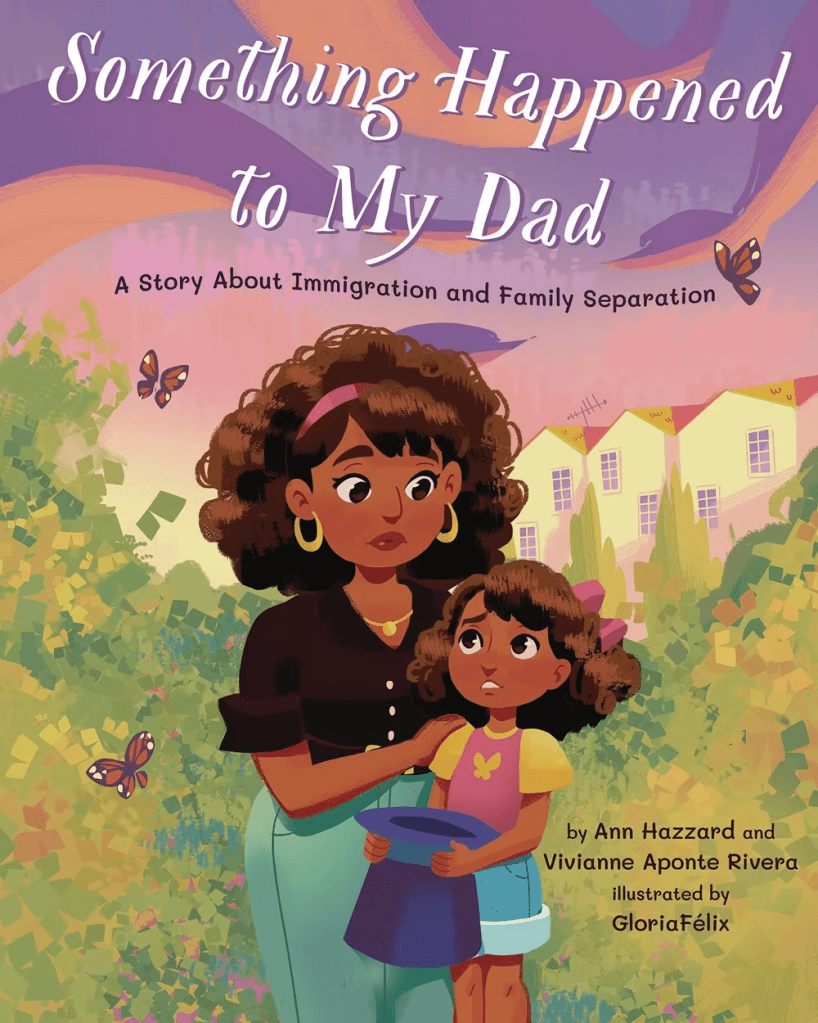
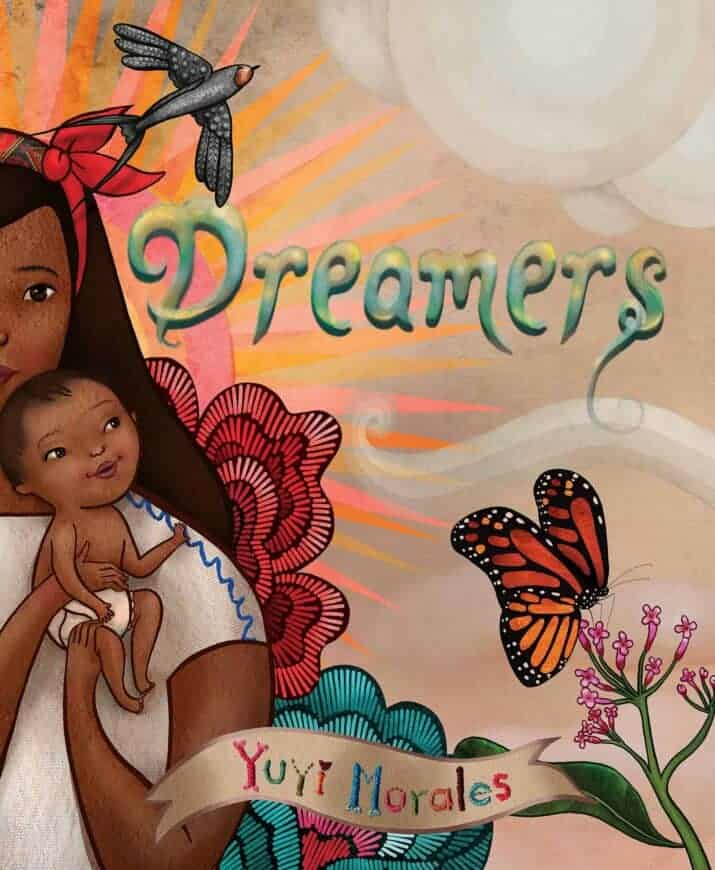
Here are powerful picture books and children’s texts that support social justice centered conversations about immigration and deportation
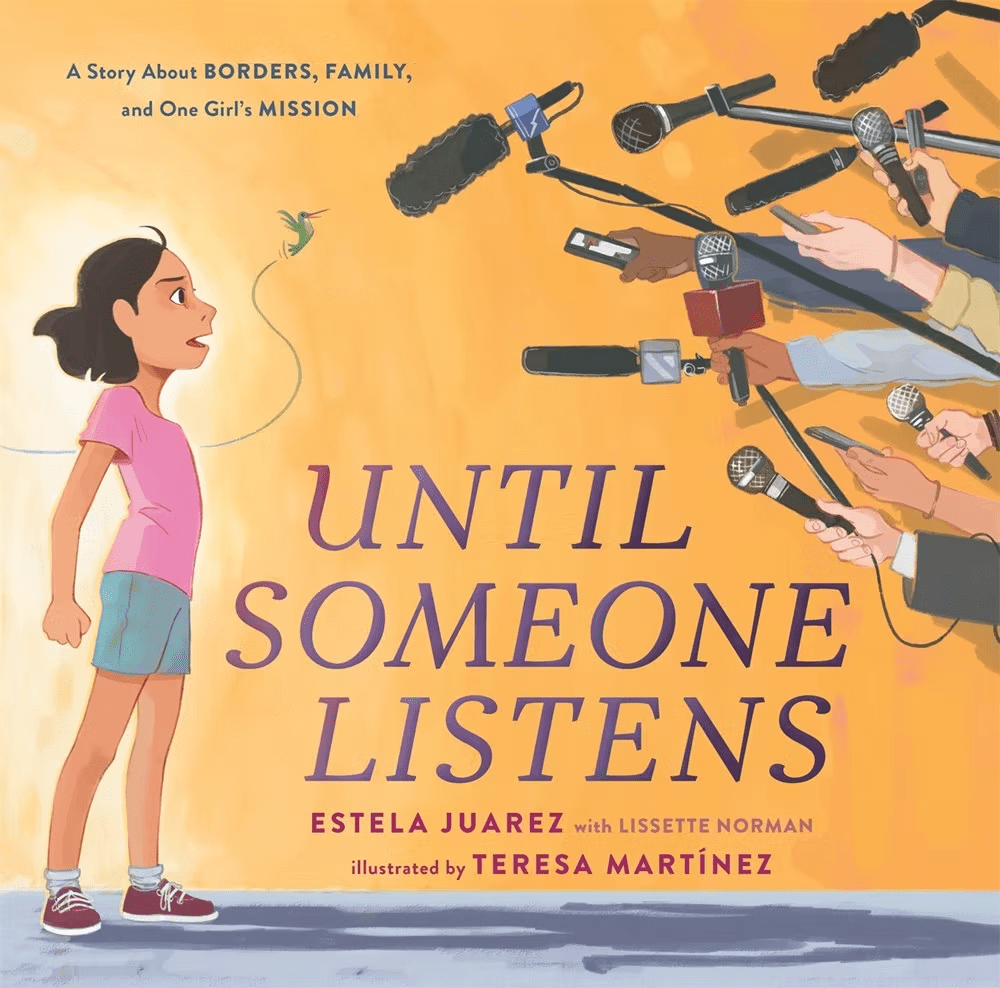
Until Someone Listens by Estela Juarez with Lissette Norman, Illustrated by Teresa Martinez
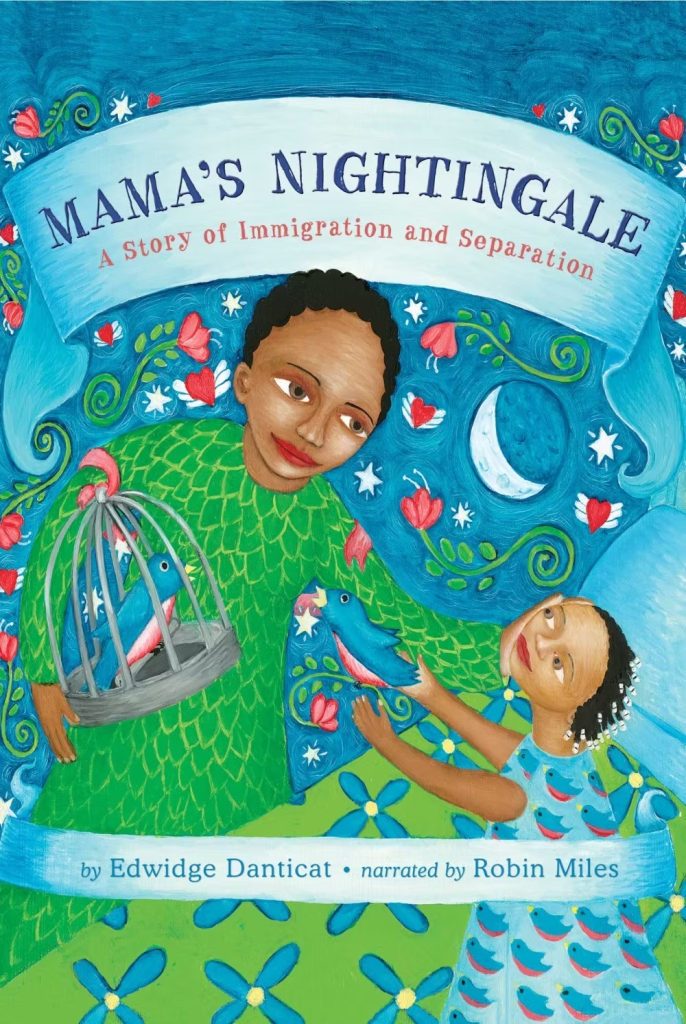
Mama’s Nightingale by Edwidge Danticat
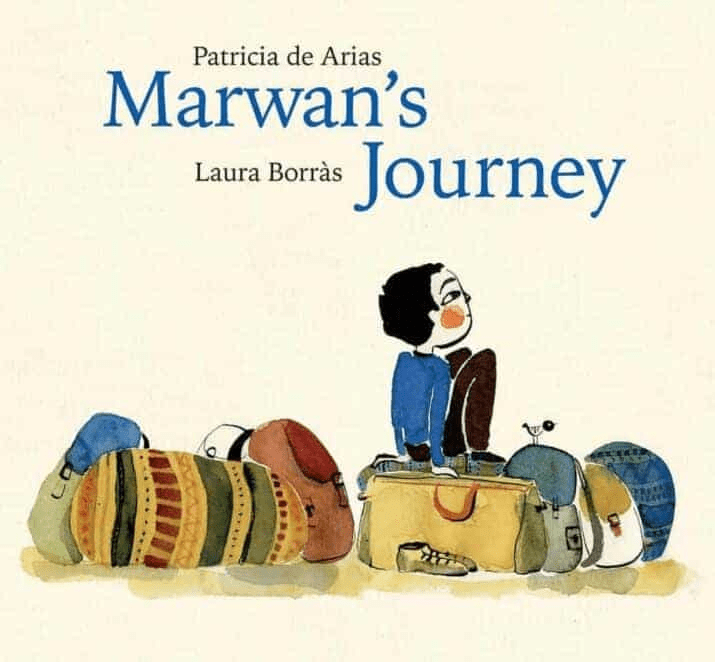
Marwan’s Journey by Patricia de Arias, illustrated by Laura Borras
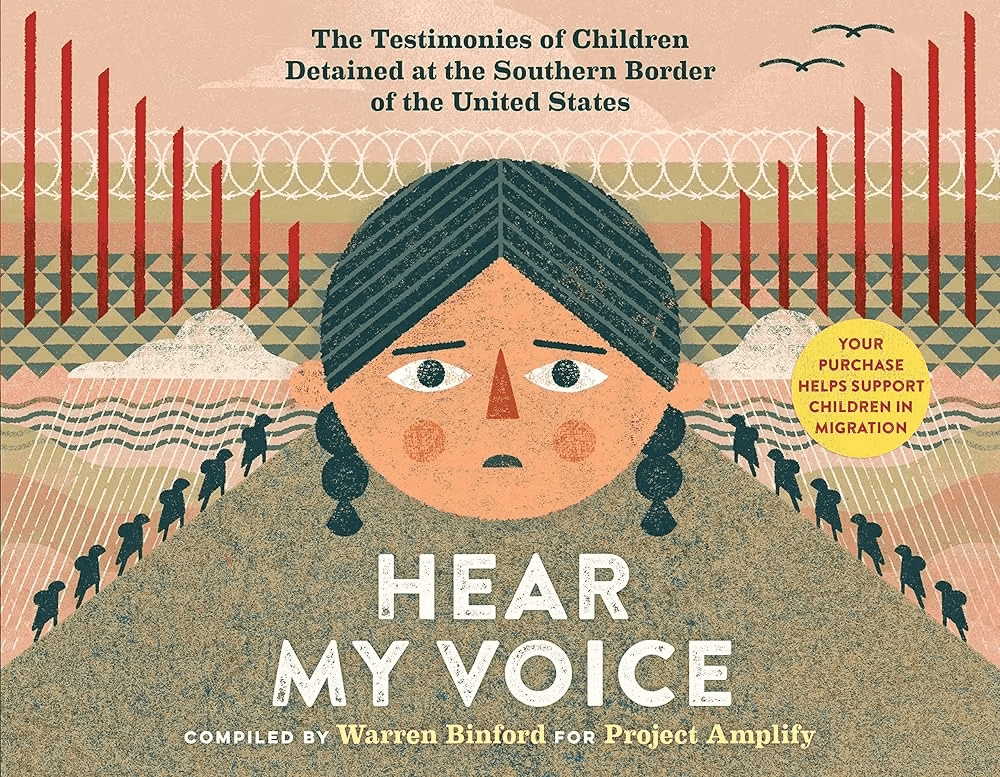
Hear My Voice compiled by Warren Binford for Project Amplify
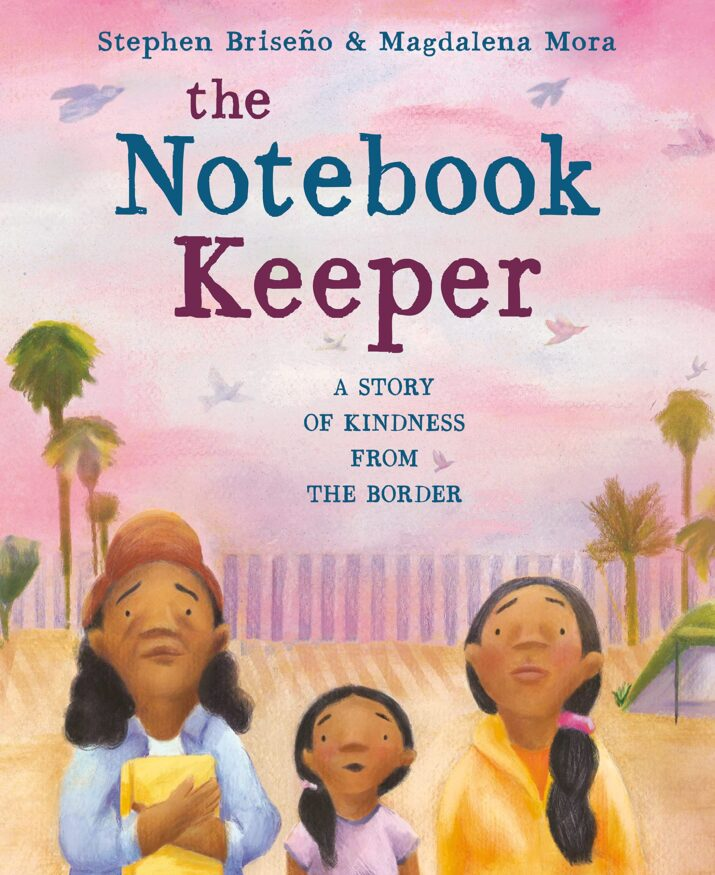
The Notebook Keeper by Stephen Briseño, illustrated by Magdalena Mora
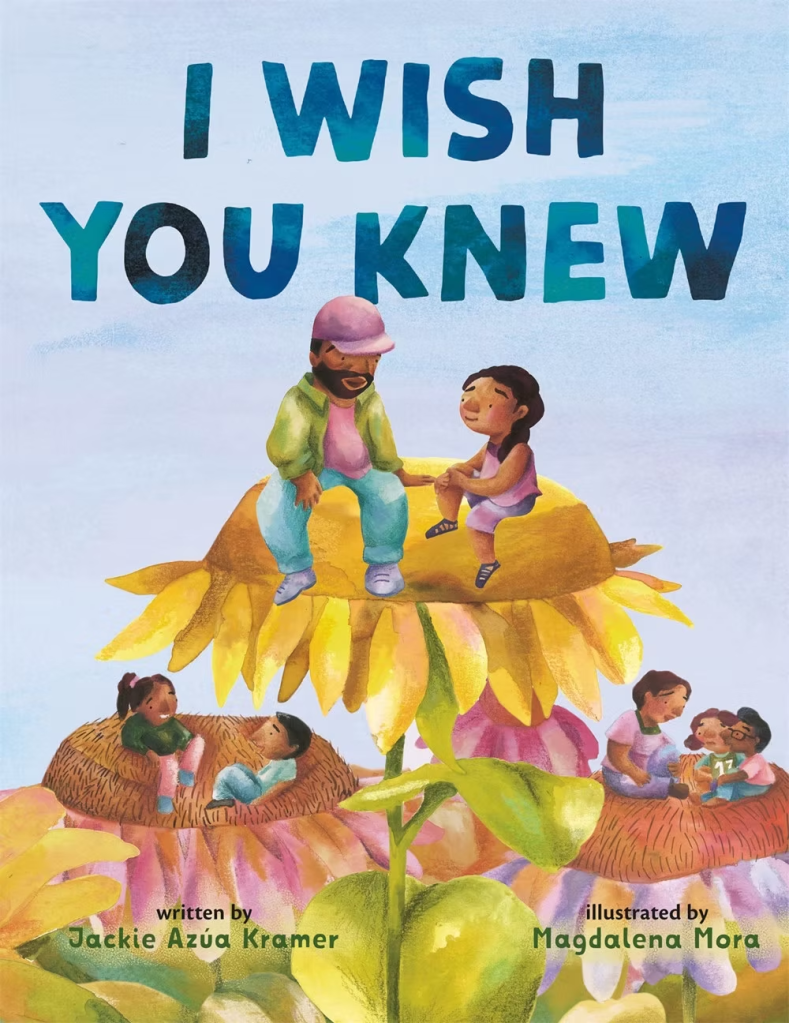
I Wish You Knew by Jackie Azua Kramer, illustrated by Magdalena Mora
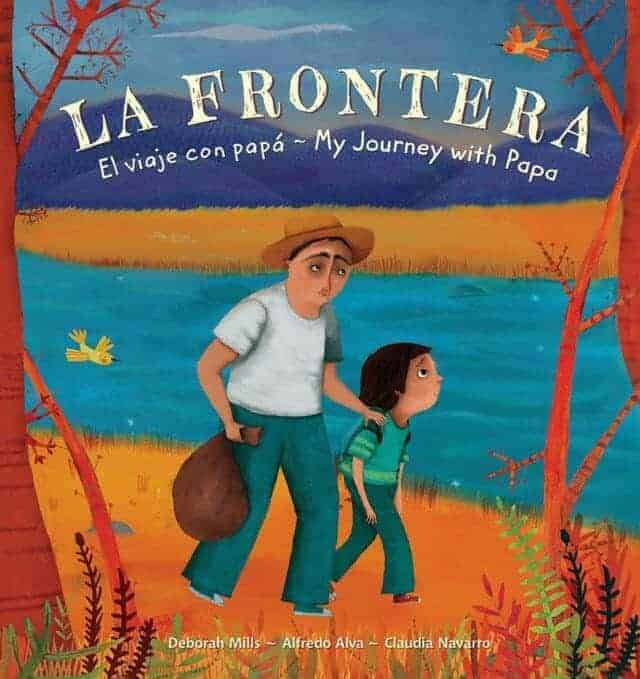
La Frontera El viaje con papa My Journey with Papa by Debora Mills, Alfredo Alva, Claudia Navarro

Mango Moon by Diane de Anda, illustrated by Sue Cornelison
Middle Grade Books and Graphic Novels
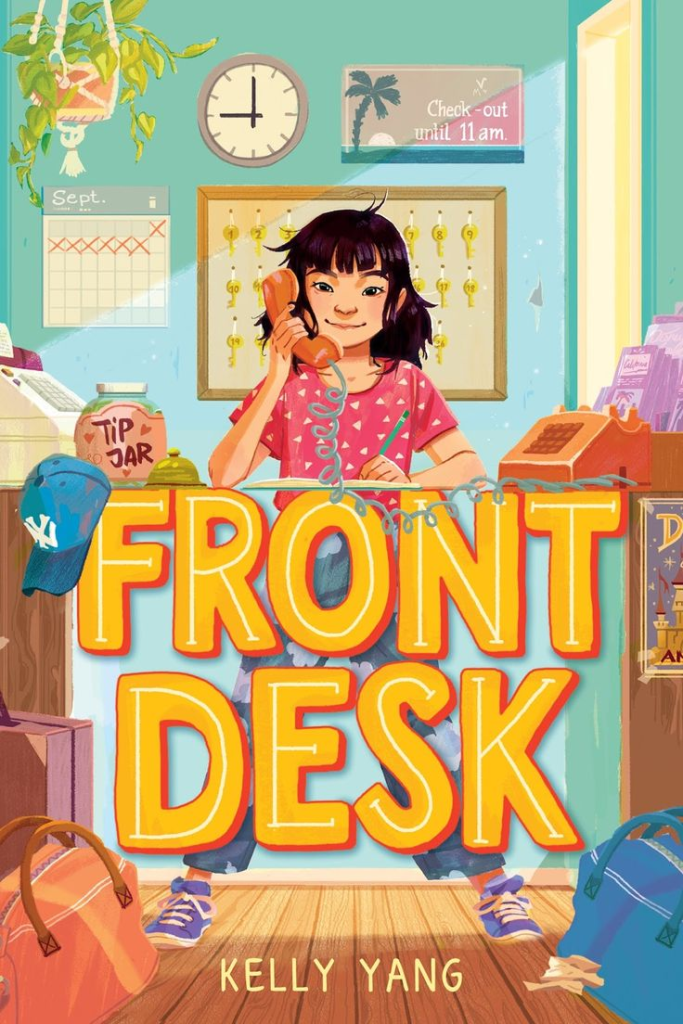
Front Desk by Kelly Yang. This is an entire series. She also has a book called Finally Seen that would also be good.
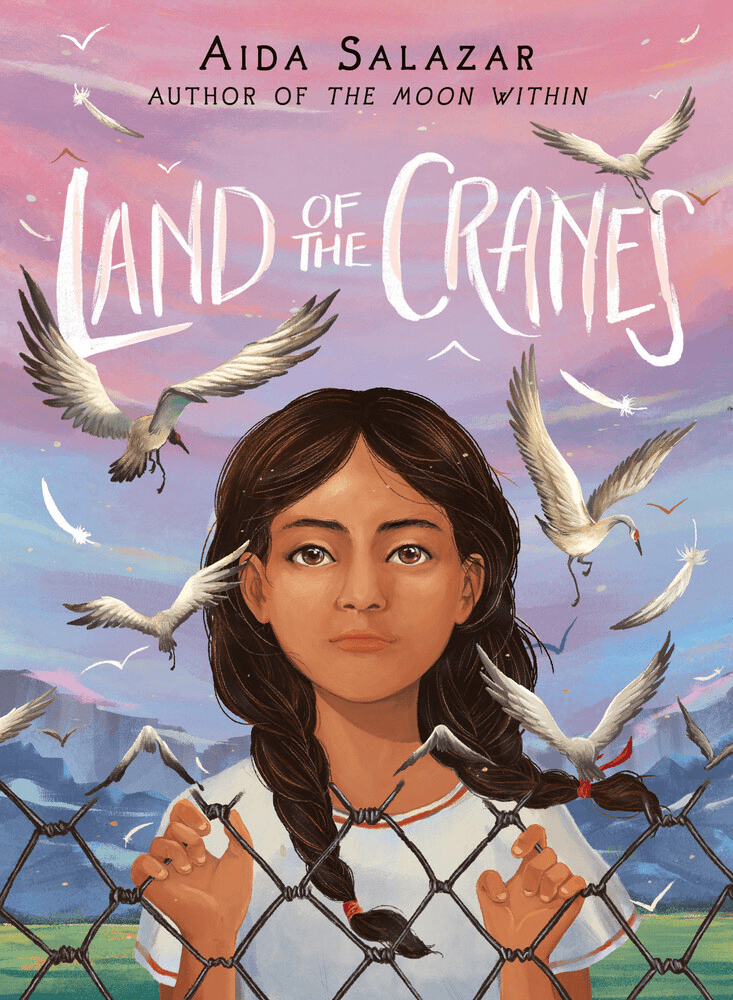
Land of the Cranes by Aida Salazar
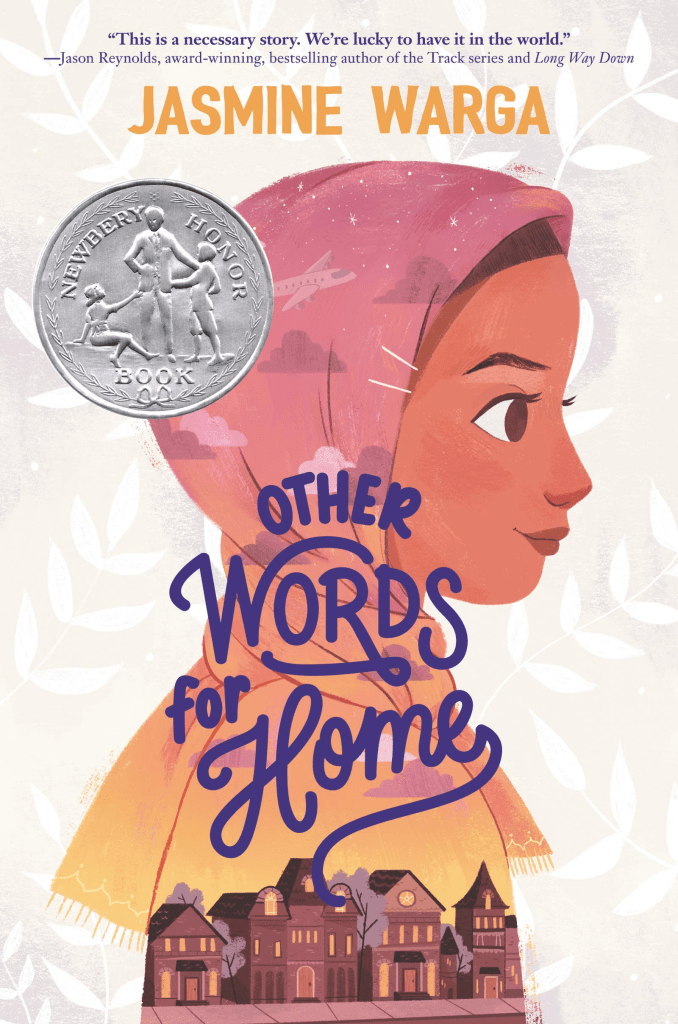
Other Words for Home by Jasmine Warga
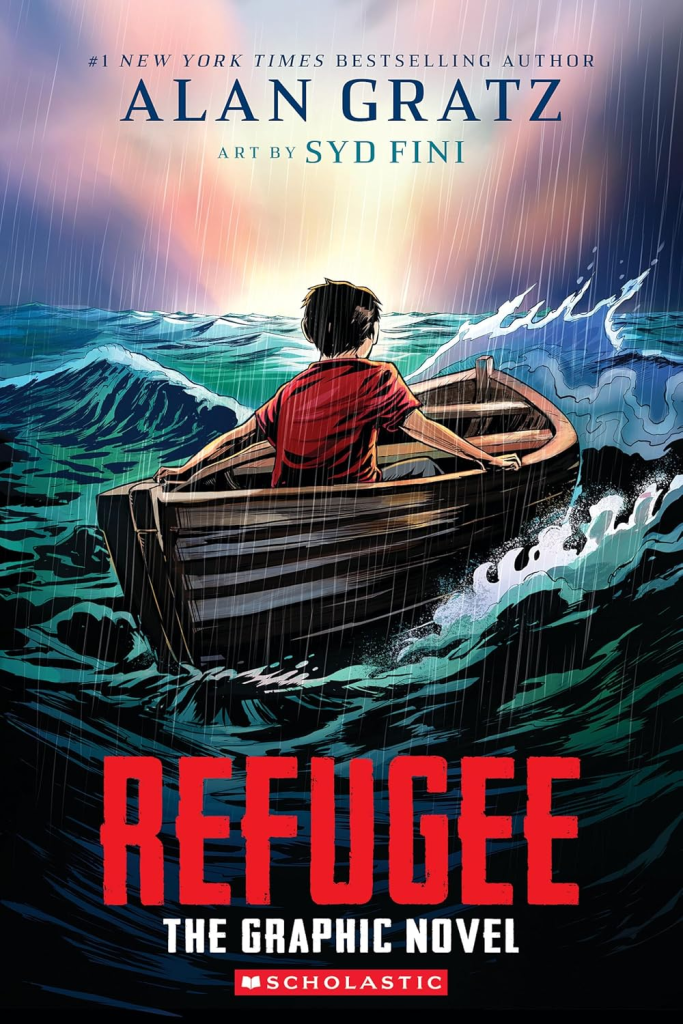
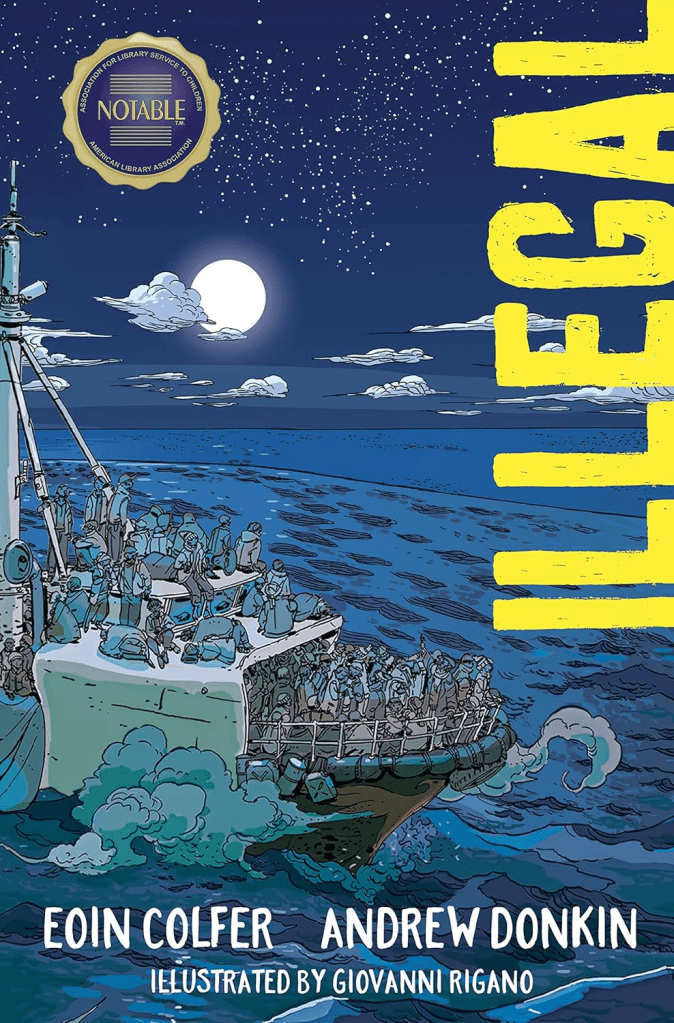
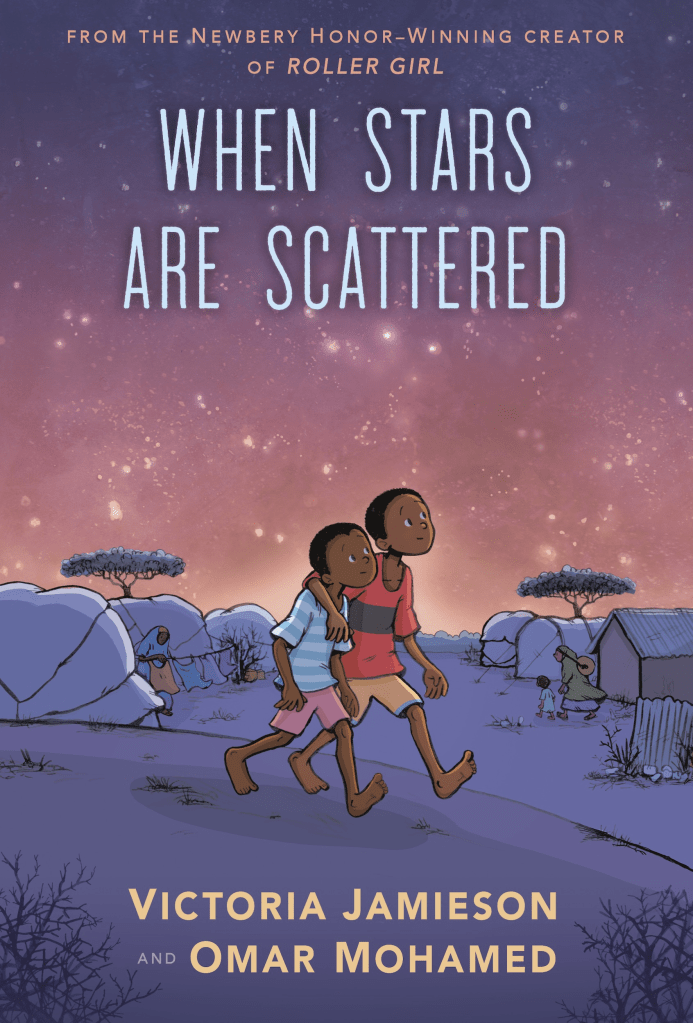
When Stars Are Scattered by Victoria Jamieson
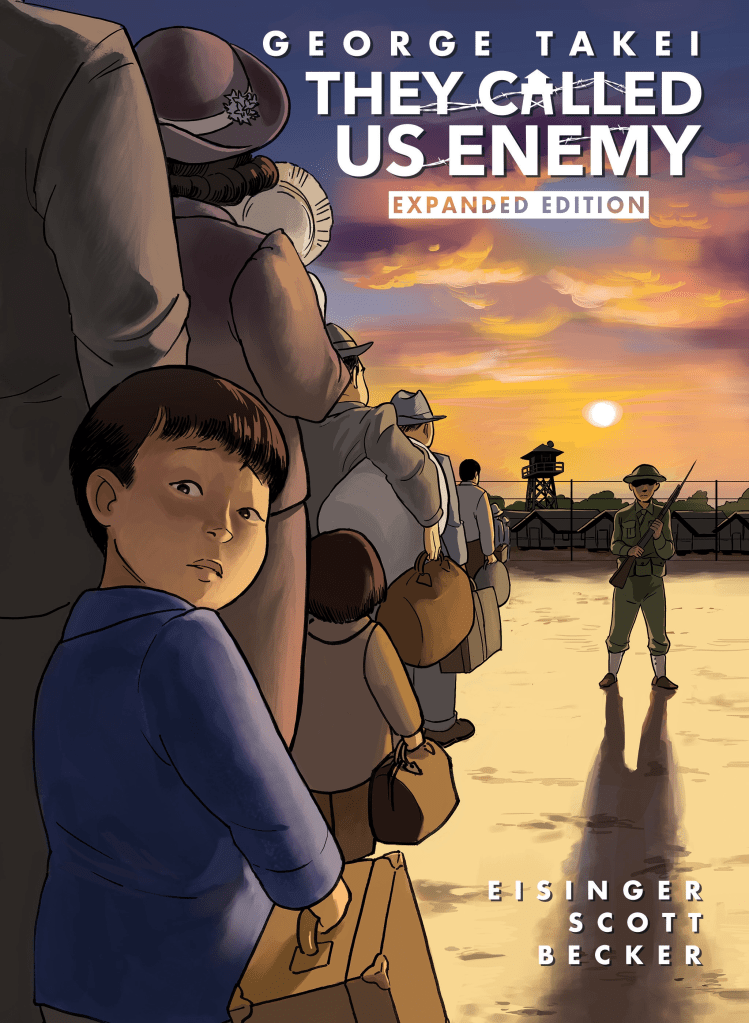
They Called Us Enemy by George Takei. This book is about the Japanese Intermittent camps during World War II. It helps us see that the problem isn’t just centered around immigrates, but on those deemed as “different”.
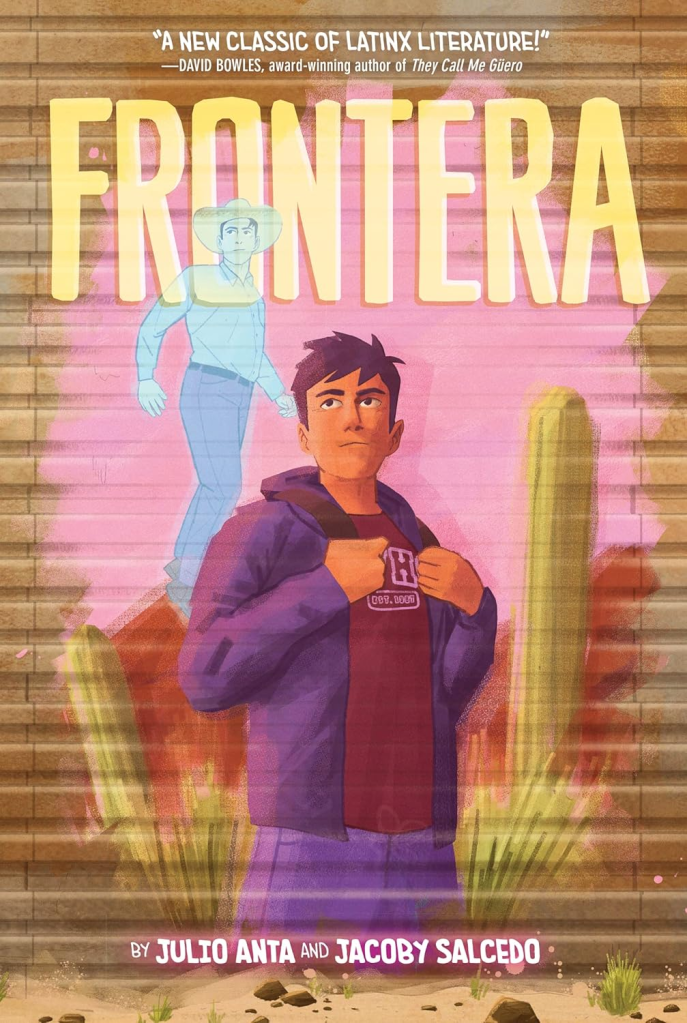
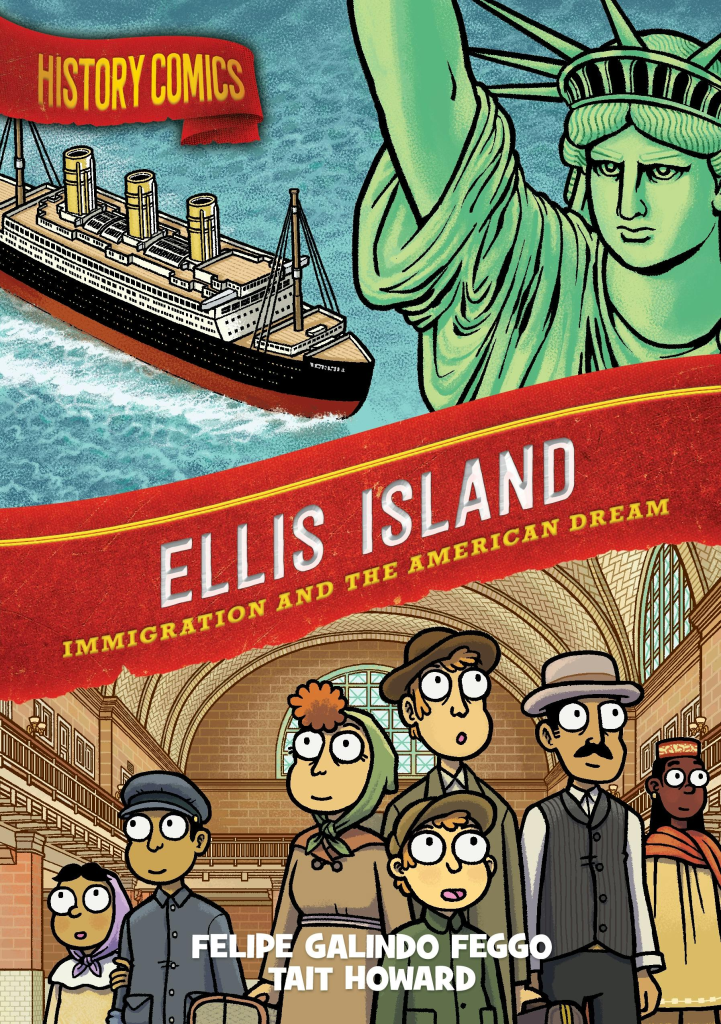
YA Books and Graphic Novels
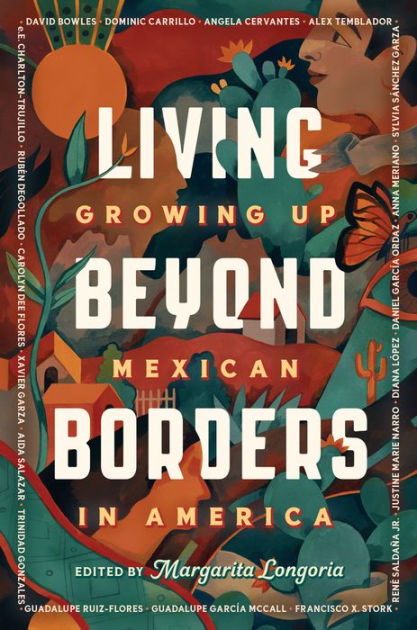
Living Beyond Borders: Growing Up Mexican in America by Margarita Longoria
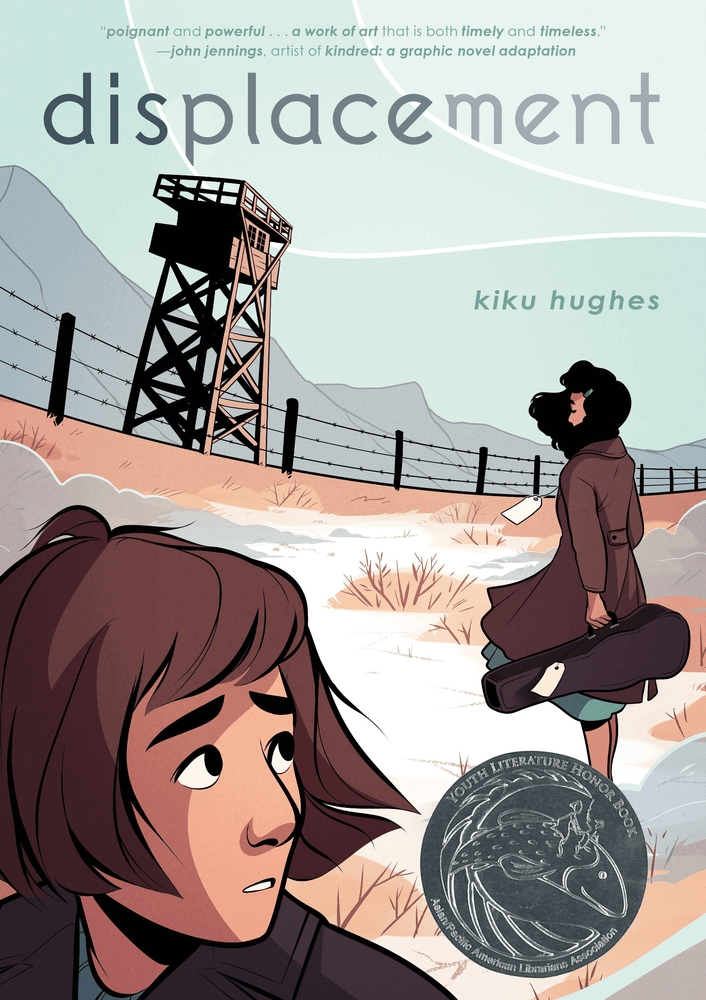
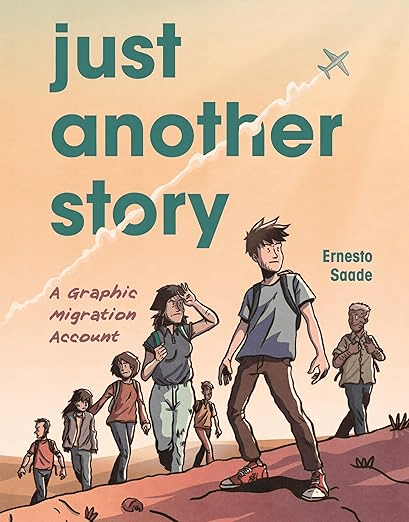
Just Another Story by Ernesto Saade
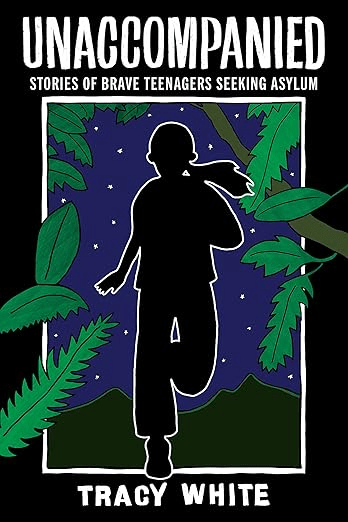
Unaccompanied: Stories of Brave Teenagers Seeking Asylum by Tracy White.
This one does showcase teens who have strong support and access to social services which isn’t the norm, but it does a good job in showing various reasons for immigration.

The Complete Persepolis by Marjane Satrapi
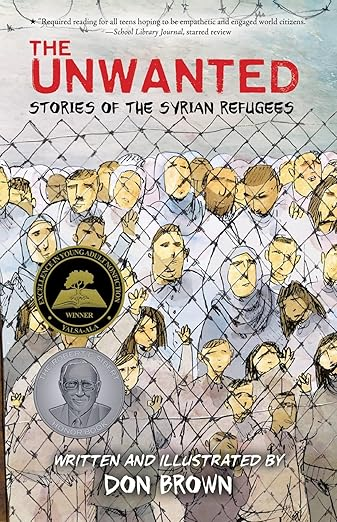
The Unwanted: Stories of the Syrian Refugees by Don Brown
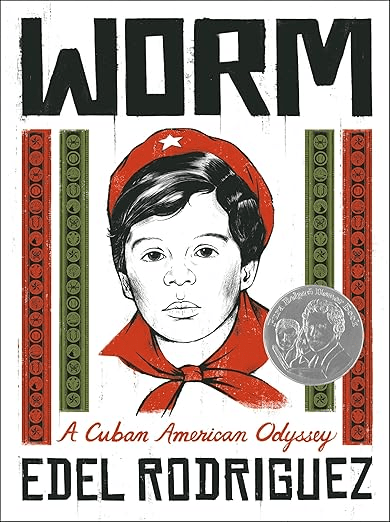
Worm: A Cuban American Odyssey by Edel Rodriguez
Final Thought
Teaching children about immigration and deportation is imparative.
It is about:
- Naming injustice
- Refusing silence
- Teaching children that harm is not inevitable
- Showing them that people organize, resist, and care for one another
Children are not too young to learn about justice.
They are only too young to carry it alone.
Is there books you would add to this? Let me know in the comments!

 Rabbit Hole Learning
Leave a comment